
Keeping your farm, lawn, or garden evenly watered starts with one important thing — proper sprinkler connection and installation. A well-connected sprinkler irrigation system improves water distribution, reduces wastage, and helps crops or lawns grow uniformly.
Whether you are installing impact sprinklers, rain guns, or pop-up sprinklers, understanding the correct connection process will help your irrigation system perform efficiently for years.
At Bestfix Irrigation, we help farmers and homeowners build reliable irrigation systems using quality HDPE pipes, fittings, valves, and sprinklers.
Why Proper Sprinkler Connection Matters
Many irrigation problems are caused by poor installation. Incorrect pipe sizing, low pressure, poor spacing, or leaking fittings can lead to:
- Uneven watering
- Dry patches
- Pressure loss
- Water wastage
- Increased pumping costs
- Damaged sprinklers
A properly connected sprinkler system ensures:
- Uniform water coverage
- Efficient pressure management
- Reduced maintenance costs
- Better crop performance
- Long-term durability
Modern irrigation systems rely heavily on proper hydraulic design, filtration, pressure control, and quality fittings for optimal performance.
Components Needed to Connect Sprinklers
Before installation, ensure you have the correct irrigation materials.
Basic Components
1. Water Source
This may be:
- Water tank
- Borehole
- River
- Dam
- Municipal water supply
2. Pump
The pump provides the pressure required for sprinklers to operate effectively.
3. HDPE or PVC Mainline Pipes
These pipes transport water from the source to the sprinkler lines.
4. Filters
Filters prevent dirt and debris from clogging sprinkler nozzles and fittings.
Disc filters and screen filters are highly recommended for irrigation systems.
5. Control Valves
Valves help regulate water flow and divide the irrigation system into zones.
6. Sprinklers
Depending on your application, you may use:
- Impact sprinklers
- Rain gun sprinklers
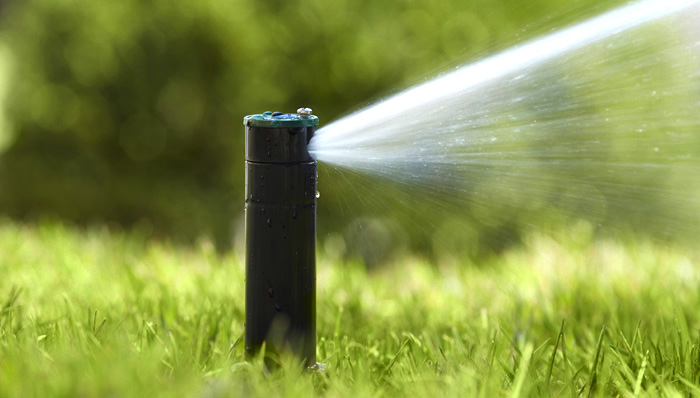
- Pop-up sprinklers
- Low-pressure sprinklers
7. Irrigation Fittings
Common fittings include:
- PE male adapters
- PE female adapters
- Couplings
- Elbows
- Tees
- Saddle clamps
- Ball valves
Step-by-Step Guide on How to Connect Sprinklers
Step 1: Plan Your Irrigation Layout
Start by measuring the area you want to irrigate.
Consider:
- Water source location
- Pipe routing
- Sprinkler spacing
- Water pressure
- Crop type or lawn size
Sprinklers should overlap slightly to ensure uniform coverage without dry spots.
Step 2: Install the Mainline Pipe
Lay the HDPE or PVC mainline from the water source toward the irrigation area.
For underground systems:
- Dig trenches
- Keep pipes protected from direct sunlight and damage
- Ensure pipes are laid on stable ground
Proper mainline sizing is important to minimize pressure loss.
Step 3: Install Filtration System
Connect a filter near the pump or water source.
This protects:
- Sprinkler nozzles
- Valves
- Pipes
- Pressure regulators
Clean water significantly improves irrigation system lifespan and performance.
Step 4: Connect Control Valves
Install valves to control different irrigation zones.
This helps:
- Manage water pressure
- Irrigate sections independently
- Reduce overloading on the pump
For automated systems, solenoid valves can be connected to irrigation controllers.
Step 5: Install Sprinkler Risers or Saddle Connections
Depending on the sprinkler type:
For Impact Sprinklers
Use:
- Saddle clamp
- Riser pipe
- Male adapter
For Pop-Up Sprinklers
Install:
- Swing joints
- Flexible connectors
- Underground piping
Ensure all threaded connections are sealed properly using PTFE tape.
Step 6: Connect the Sprinklers
Attach the sprinkler heads securely.
Check:
- Correct nozzle orientation
- Spray angle
- Rotation settings
- Tight fittings
Avoid overtightening to prevent damaging threads.
Step 7: Pressure Testing
Before full operation:
- Open the valves slowly
- Check for leaks
- Confirm sprinkler rotation
- Observe spray uniformity
Pressure and flow monitoring are critical for irrigation system efficiency.
Common Mistakes When Connecting Sprinklers
Using the Wrong Pipe Size
Small pipes reduce pressure and affect sprinkler performance.
Poor Sprinkler Spacing
Too far apart causes dry areas. Too close causes overwatering.
Skipping Filtration
Dirty water can clog sprinkler nozzles quickly.
Low Pump Pressure
Different sprinklers require different operating pressures.
Poor Quality Fittings
Weak fittings may leak or burst under pressure.
Best Sprinklers for Different Applications
| Application | Recommended Sprinkler |
|---|---|
| Lawn Irrigation | Pop-up sprinklers |
| Vegetable Farming | Impact sprinklers |
| Large Farms | Rain gun sprinklers |
| Low Pressure Systems | Low-pressure sprinklers |
| Greenhouses | Micro sprinklers |
Maintenance Tips After Installation
Routine maintenance helps keep the system operating efficiently.
Weekly Checks
- Inspect leaks
- Check sprinkler rotation
- Ensure even coverage
Monthly Maintenance
- Clean filters
- Flush pipelines
- Check pressure levels
Routine inspection and flushing help prevent clogging and pressure issues.
Final Thoughts
Connecting sprinklers correctly is the foundation of an efficient irrigation system. With proper planning, quality fittings, good filtration, and the right sprinkler selection, you can achieve excellent water distribution while saving water and energy.
Whether you are irrigating a lawn, greenhouse, vegetables, pasture, or large-scale farm, investing in a properly installed sprinkler system improves productivity and reduces operational costs.
At Bestfix Irrigation, we supply:
- HDPE pipes and fittings
- Impact sprinklers
- Rain gun sprinklers
- Pop-up sprinklers
- Disc filters
- Screen filters
- Irrigation accessories


