
Introduction
Modern farming is becoming increasingly challenging due to rising temperatures, prolonged dry periods, and unpredictable weather patterns. Excessive sunlight and heat can stress crops, increase water loss, reduce seedling survival rates, and ultimately lower yields.
This is where shade nets come in.
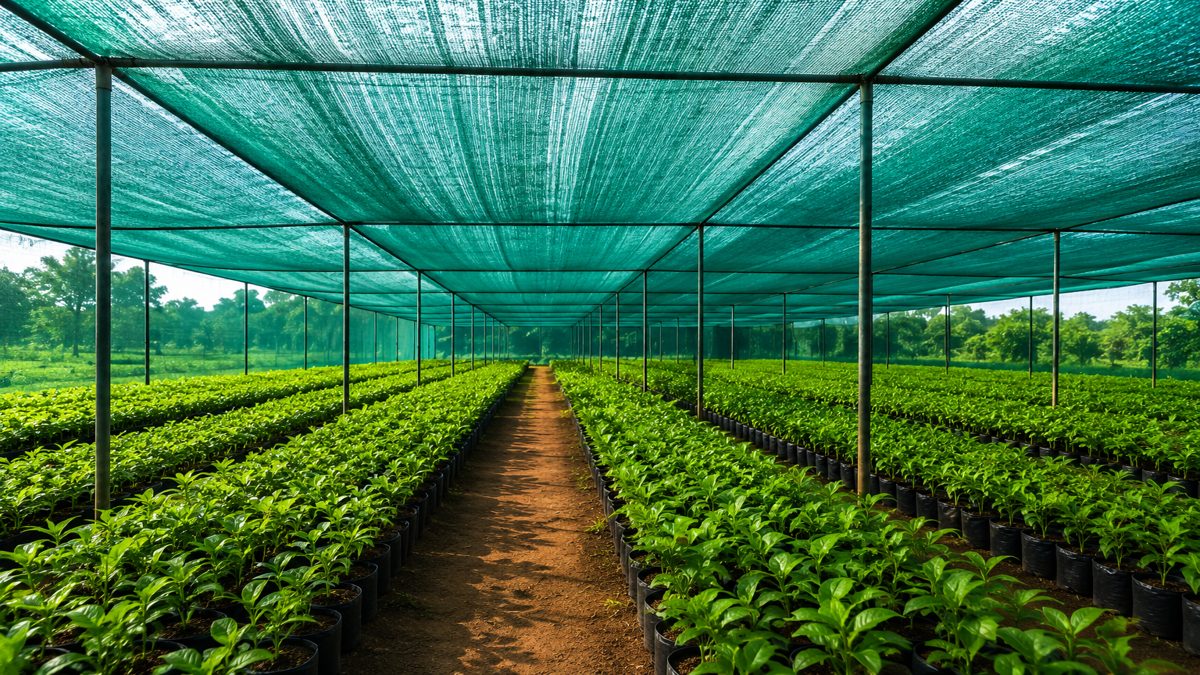
Shade nets are among the most effective and affordable solutions for protecting crops from harsh environmental conditions while creating an ideal growing environment. Whether you are operating a nursery, greenhouse, vegetable farm, flower farm, or fruit seedling project, installing the right shade net can significantly improve plant health and productivity.
In this guide, we explore the benefits of shade nets, their uses, different shade percentages, and how to choose the right one for your farming needs.
What Are Shade Nets?
Shade nets are specially manufactured woven or knitted materials designed to reduce the amount of sunlight reaching crops. They help regulate temperature, reduce evaporation, and protect plants from excessive heat, strong winds, and certain pests.
Agricultural shade nets are commonly used in:
- Seedling nurseries
- Greenhouse structures
- Vegetable production
- Flower farming
- Tree nurseries
- Tissue culture hardening units
- Shade houses
- Landscaping projects
By controlling light intensity and temperature, shade nets create a more favorable environment for healthy plant growth.
Benefits of Shade Nets in Agriculture
1. Reduce Heat Stress
High temperatures can damage crops and slow growth. Shade nets lower the temperature around plants by filtering excessive sunlight, helping crops remain healthy even during hot seasons.
2. Improve Seedling Survival Rates
Young seedlings are highly vulnerable to direct sunlight. Shade nets protect delicate plants during the germination and transplanting stages, resulting in higher survival rates.
3. Reduce Water Loss
Excessive sunlight increases evaporation from both soil and plant surfaces. Shade nets help conserve moisture, reducing irrigation requirements and improving water-use efficiency.
4. Promote Healthy Plant Growth
By creating a balanced growing environment, plants can focus more energy on growth and development instead of combating environmental stress.
5. Protect Against Harsh Weather
Shade nets provide protection against:
- Excessive sunlight
- Strong winds
- Hail damage
- Heavy rain impact
This protection helps maintain crop quality and reduce losses.
6. Improve Crop Quality and Yield
Healthy plants produce healthier harvests. Farmers who use shade nets often report improved crop quality, better uniformity, and higher yields.
Types of Shade Nets and Their Uses
55% Shade Net
A 55% shade net allows more sunlight to pass through while still providing protection from excessive heat.
Best for:
- Vegetables
- Flower production
- General crop cultivation
- Landscaping
70% Shade Net
A 70% shade net offers a balance between sunlight reduction and plant protection.
Best for:
- Seedling nurseries
- Young vegetable crops
- Greenhouse hardening areas
- Tree seedlings
85% Shade Net
An 85% shade net provides maximum shading and protection.
Best for:
- Sensitive seedlings
- Mushroom production
- Tissue culture hardening
- Ornamental plants requiring low light intensity
How to Choose the Right Shade Net
Selecting the correct shade percentage depends on several factors.
Crop Type
Different crops require different amounts of sunlight. Leafy vegetables may tolerate more shade than fruiting crops.
Growth Stage
Young seedlings generally require higher protection than mature plants.
Climate Conditions
Areas experiencing extremely high temperatures often benefit from higher shade percentages.
Production Objective
If your goal is nursery production, a 70% or 85% shade net may be more suitable. For vegetable production, a 55% or 70% shade net may be sufficient.
Common Applications of Shade Nets
Seedling Nurseries
Shade nets create ideal conditions for seed germination and early growth.
Vegetable Production
Vegetables such as:
- Tomatoes
- Capsicum
- Lettuce
- Kale
- Spinach
benefit from reduced heat stress during hot seasons.
Tree Seedling Production
Tree nurseries use shade nets to protect young plants until they are ready for field establishment.
Flower Farming
Flower growers use shade nets to improve quality while reducing environmental stress.
Greenhouse Hardening Areas
Shade nets help plants adapt gradually before being exposed to full sunlight.
Installation Tips for Shade Nets
To maximize performance:
- Use strong support structures.
- Maintain proper tension during installation.
- Ensure adequate ventilation.
- Choose UV-stabilized shade nets for longer lifespan.
- Inspect periodically for wear and damage.
Proper installation can significantly extend the lifespan of the shade net and improve effectiveness.
Why Buy Shade Nets from Bestfix Irrigation?
At Bestfix Irrigation Enterprise, we supply high-quality agricultural shade nets suitable for nurseries, greenhouses, vegetable farms, flower farms, and landscaping projects.
Our shade nets are:
✅ UV Stabilized
✅ Durable and Long Lasting
✅ Available in Different Shade Percentages
✅ Suitable for Various Crops
✅ Available for Delivery Countrywide
Our team can also advise you on selecting the right shade percentage based on your crop and location.
Why Buy Shade Nets from Bestfix Irrigation?
At Bestfix Irrigation Enterprise, we supply high-quality agricultural shade nets suitable for nurseries, greenhouses, vegetable farms, flower farms, and landscaping projects.
Our shade nets are:
✅ UV Stabilized
✅ Durable and Long Lasting
✅ Available in Different Shade Percentages
✅ Suitable for Various Crops
✅ Available for Delivery Countrywide
Our team can also advise you on selecting the right shade percentage based on your crop and location.

