
Water is no longer a guarantee. Input costs are rising. And farming in 2026 demands efficiency, precision, and smart investment. That is why more farmers across Kenya are switching to drip irrigation.
If you’ve ever asked:
- What is drip irrigation?
- Is drip irrigation worth it?
- How much does drip irrigation cost in Kenya?
This guide is for you.
What Is Drip Irrigation?
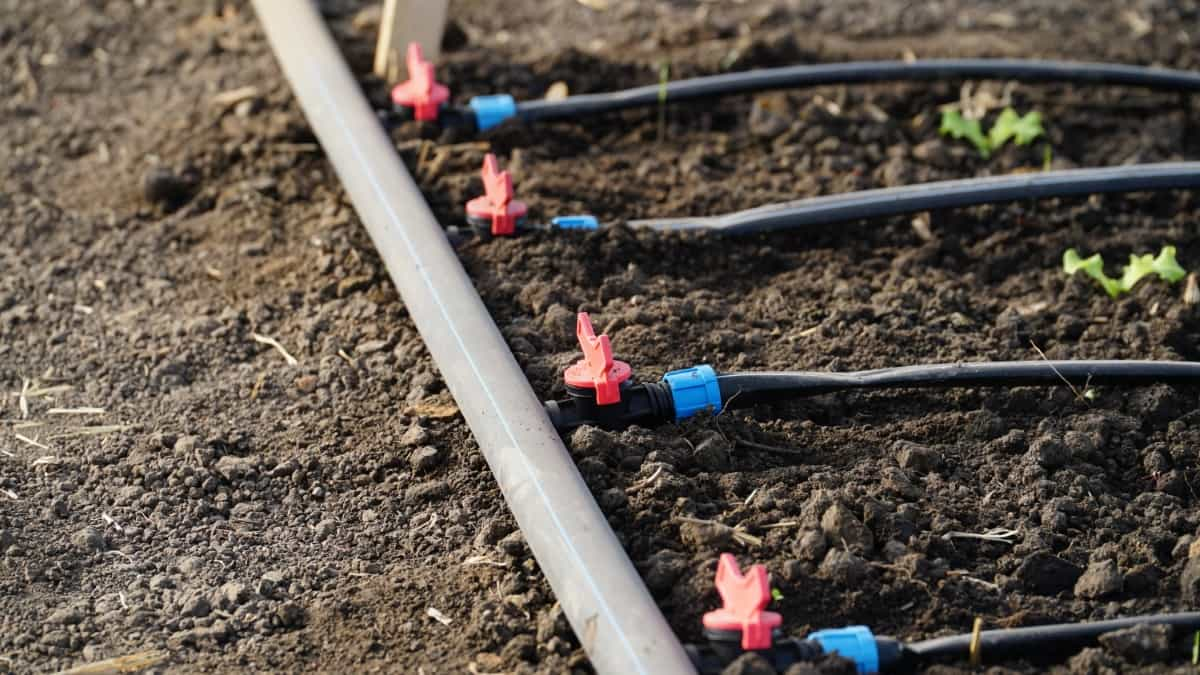
Drip irrigation is a water-saving irrigation method that delivers small, controlled amounts of water directly to the plant root zone through driplines or drip tapes.
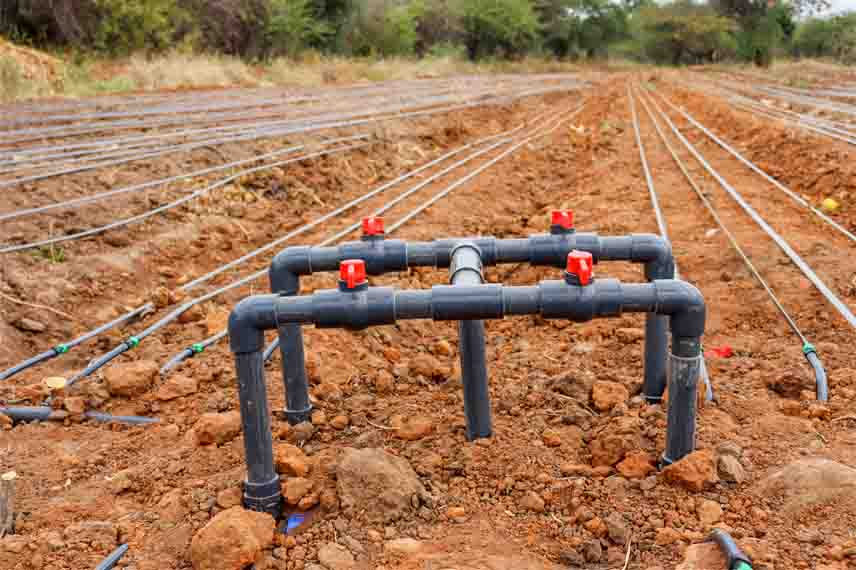
Instead of flooding the entire field, water flows through:
- A main pipe (usually HDPE)
- Sub-mains
- 16mm driplines with built-in emitters
Each plant receives water slowly and consistently — exactly where it’s needed.
How Drip Irrigation Works
A drip irrigation system works in five basic steps:
- Water Source – Tank, dam, borehole, or municipal supply
- Mainline (HDPE pipe) – Carries water from the source
- Filter – Prevents clogging of emitters
- Dripline / Drip Tape – Delivers water to plants
- End caps & fittings – Control and seal the system
Water moves under low pressure, making drip irrigation suitable for both gravity-fed and pump systems.
Why Farmers Are Switching to Drip Irrigation in 2026
1. Massive Water Savings
Drip irrigation can save 30–60% more water compared to flood or sprinkler irrigation. With unpredictable rainfall and water shortages, this alone makes drip irrigation essential.
2. Higher Crop Yields
Because water and nutrients go straight to the roots:
- Crops grow evenly
- Stress is reduced
- Yields increase significantly
Many farmers report 20–50% yield improvement after switching to drip.
3. Lower Fertilizer Costs
Drip irrigation allows fertigation — applying fertilizer through the system. This reduces wastage and ensures nutrients reach the plant directly.
4. Reduced Labor & Operating Costs
Once installed:
- No flooding
- Less weeding
- Minimal daily supervision
This saves both time and money in the long run.
5. Works in All Farm Sizes
Drip irrigation is ideal for:
- Small kitchen gardens
- Greenhouses
- Open-field vegetable farms
- Fruit orchards
You can start small and expand gradually.
Drip Irrigation Cost in Kenya (2026 Guide)
The cost of drip irrigation depends on:
- Farm size
- Crop spacing
- Quality of materials
Typical Cost Breakdown:
- Dripline / Drip tape – Based on spacing & length
- HDPE pipes & fittings – Main and sub-mains
- Filter – Mandatory for system protection
- Accessories – Connectors, end caps, hole puncher
💡 Good news: You don’t need to install everything at once. Many farmers start with a small section and expand as income grows.
Drip Irrigation vs Traditional Methods
| Feature | Drip Irrigation | Flood Irrigation |
|---|---|---|
| Water efficiency | Very high | Very low |
| Weed growth | Minimal | High |
| Fertilizer use | Efficient | Wasteful |
| Labor | Low | High |
| Crop uniformity | Excellent | Poor |
In 2026, flooding is no longer economical.
Is Drip Irrigation Worth It?
Yes — especially if:
- Water is limited
- You grow vegetables, fruits, or flowers
- You want predictable harvests
- You are farming for profit
Drip irrigation is an investment, not an expense.
Common Myths About Drip Irrigation
“Drip irrigation is too expensive.”
→ Poor-quality systems are cheap. Quality systems pay for themselves.
“It clogs easily.”
→ Proper filtration eliminates clogging issues.
“It’s complicated.”
→ With the right guidance, installation is simple.
Why Buy Your Drip Irrigation Materials from Bestfix Irrigation?
At Bestfix Irrigation, we don’t just sell products — we help farmers succeed.
We offer:
- Quality 16mm driplines & drip tapes
- Genuine HDPE pipes & fittings
- Filters, connectors & accessories
- Expert guidance on layout and sizing
📍 Available for shop pickup and countrywide delivery.
Ready to Start 2026 with Smart Irrigation?
Whether you’re starting small or planning a full farm setup, drip irrigation is the smartest move you can make this year.
👉 Contact Bestfix Irrigation today for a customized drip irrigation solution that fits your farm and budget.
