
Water storage is one of the biggest challenges farmers face, especially during dry seasons. A dam liner for water storage provides an efficient and reliable solution to collect and store water for irrigation, livestock, and domestic use.
Dam liners help prevent water loss through seepage and ensure that your water reservoir remains full for longer periods. For farmers investing in irrigation systems, installing a dam liner can significantly improve water management and crop productivity.
In this guide, we will explain everything you need to know about dam liners, including their benefits, types, and installation tips.
What is a Dam Liner?
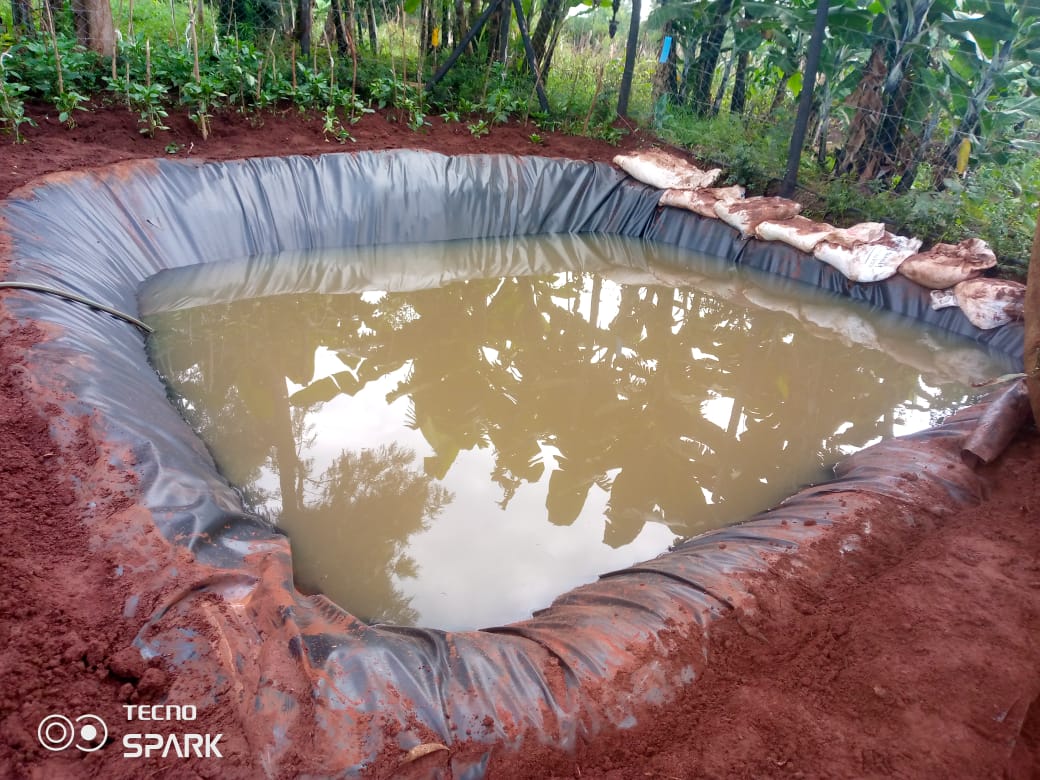
A dam liner is a durable waterproof sheet used to line water reservoirs, ponds, or dams to prevent water from seeping into the ground.
Dam liners are typically made from materials such as HDPE (High-Density Polyethylene), which are strong, flexible, and resistant to UV rays and chemicals.
Farmers widely use dam liners for:
- Irrigation water storage
- Fish ponds
- Livestock watering
- Rainwater harvesting
- Agricultural reservoirs
By installing a dam liner, farmers can maximize water storage and reduce water wastage.
Benefits of Using a Dam Liner for Water Storage
1. Prevents Water Seepage
Without a dam liner, water slowly seeps into the soil, leading to huge water losses. A dam liner for water storage creates a waterproof barrier that prevents seepage and keeps the reservoir full.
2. Improves Water Management
With reliable water storage, farmers can irrigate crops even during dry seasons. This leads to improved crop yields and better farm productivity.
3. Durable and Long Lasting
High-quality dam liners can last 10–20 years depending on maintenance and installation quality.
4. Suitable for Different Applications
Dam liners are versatile and can be used for:
- Irrigation dams
- Fish farming ponds
- Water harvesting systems
- Livestock water reservoirs
5. Cost-Effective Water Storage Solution
Building concrete reservoirs can be expensive. Dam liners provide an affordable way to store large amounts of water.
Types of Dam Liners
HDPE Dam Liners
HDPE dam liners are the most commonly used liners because they are strong, durable, and resistant to UV rays. They are ideal for large agricultural water reservoirs.
Key features include:
- High strength
- UV resistance
- Long lifespan
- Chemical resistance
PVC Dam Liners
PVC liners are flexible and easier to install. They are commonly used for smaller ponds and fish farming.
However, they may not last as long as HDPE liners in harsh outdoor conditions.
How to Install a Dam Liner
Proper installation is important to ensure your dam liner performs effectively.
Step 1: Site Selection
Choose a location that can easily collect rainwater or be connected to irrigation systems.
Step 2: Excavation
Excavate the dam according to the desired size and shape.
Step 3: Smooth the Surface
Remove sharp stones and roots that could damage the liner.
Step 4: Lay the Dam Liner
Carefully spread the dam liner across the excavated surface.
Step 5: Secure the Edges
Anchor the liner edges using soil or concrete to keep it in place.
Professional installation ensures durability and prevents future leaks.
How to Choose the Right Dam Liner
When selecting a dam liner for water storage, consider the following factors:
- Thickness of the liner
- UV resistance
- Size of the water reservoir
- Quality of the material
- Professional installation
Using high-quality dam liners ensures long-term performance and reliability.
Dam Liners for Irrigation in Kenya
In Kenya, unpredictable rainfall makes water storage extremely important for farmers. A dam liner for water storage allows farmers to harvest rainwater and store it for irrigation during dry periods.
This ensures crops receive sufficient water, improving farm productivity and reducing dependence on unreliable rainfall.
Many irrigation systems such as drip irrigation and sprinkler systems rely on stored water from lined reservoirs.
Where to Buy Quality Dam Liners in Kenya
If you are looking for high-quality dam liners for water storage, it is important to purchase from a trusted irrigation supplier.
At Bestfix Irrigation, we supply durable and high-quality dam liners suitable for:
- Irrigation dams
- Fish ponds
- Agricultural water storage
Our team can also assist with selecting the right liner size and installation advice.
📞 Contact Bestfix Irrigation today for dam liner solutions that help you store water efficiently.
Conclusion
Investing in a dam liner for water storage is one of the best decisions farmers can make to ensure reliable irrigation water.
Dam liners prevent water loss, improve water management, and support sustainable farming practices. With proper installation and maintenance, a quality dam liner can serve your farm for many years.
If you are planning to build a water reservoir for irrigation, a dam liner is an essential component for efficient water storage.
