

Categories
Recent Posts
Rainhose vs Drip Irrigation in Kenya: Which is Better?
Rainhose vs Drip Irrigation in Kenya: Which is Better?
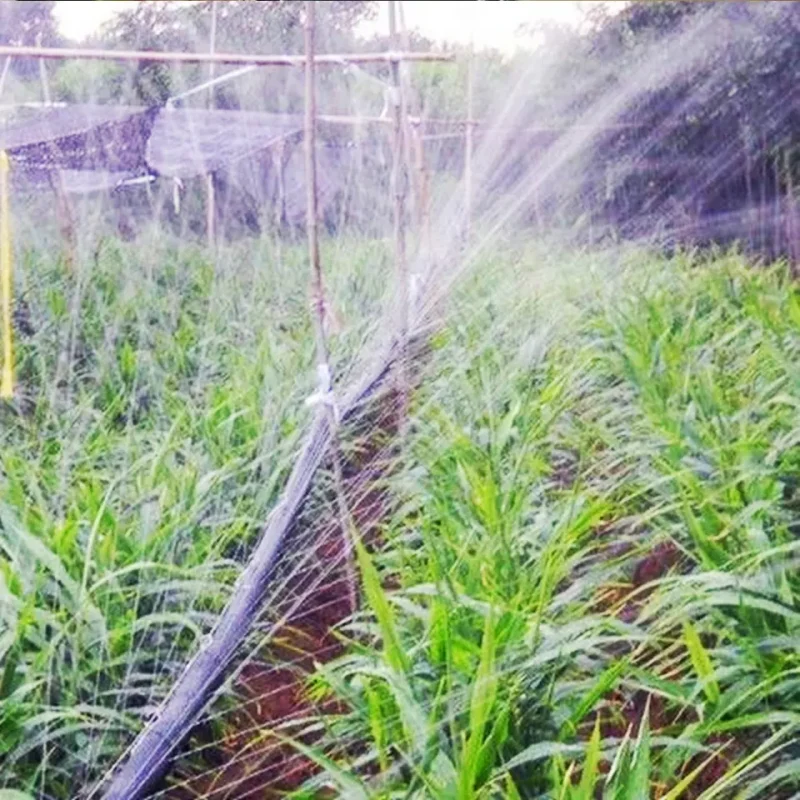
Farmers in Kenya often choose between rainhose and drip irrigation systems. Each method has its advantages depending on crop type, budget, and farm size.
Key Differences Between Rainhose and Drip Irrigation
| Feature | Rainhose Irrigation | Drip Irrigation |
|---|---|---|
| Cost | Lower | Higher |
| Water Delivery | Spray | Direct to roots |
| Coverage | Wide | Targeted |
| Installation | Easy | More technical |
Advantages of Rainhose Irrigation
- Affordable for small farmers
- Easy to install
- Covers large areas quickly
- Suitable for vegetables and field crops
Advantages of Drip Irrigation
- Highly water-efficient
- Ideal for orchards and greenhouses
- Reduces weed growth
- Precise water delivery
When to Choose Rainhose Irrigation
Choose rainhose if:
- You are on a budget
- You farm vegetables or maize
- You need wide coverage
Ideal for farmers in Kiambu and Nakuru.
When to Choose Drip Irrigation
Choose drip irrigation if:
- You grow high-value crops
- You need precise watering
- You have limited water supply
Cost Comparison
Rainhose systems are significantly cheaper, making them accessible to most farmers in Kenya.
Drip systems, while expensive, offer long-term water savings.
Which System is Better?
There is no one-size-fits-all answer.
- Rainhose = Best for affordability and simplicity
- Drip = Best for efficiency and precision
Expert Recommendation
Many farmers combine both systems:
- Rainhose for open fields
- Drip for high-value crops
Conclusion
Both irrigation systems are effective when used correctly. Your choice should depend on your farming goals, budget, and crop type.
👉 For a full breakdown, visit our pillar guide on rainhose irrigation systems in Kenya.

admin
Related News


How to Install Button Drippers Irrigation System (Step-by-Step Guide)
April 16, 2026
No Comments
Read More