
Choosing the right pipe is one of the most important decisions when setting up a drip irrigation system. Many farmers ask:
- Is HDPE better than PVC for irrigation?
- Which pipe lasts longer on the farm?
- What pipe works best for drip irrigation systems?
In this guide, we break down HDPE vs PVC pipes for irrigation in simple terms — so you can make the right decision for your farm in 2026 and beyond.
Understanding the Two Pipe Types
What Are HDPE Pipes?
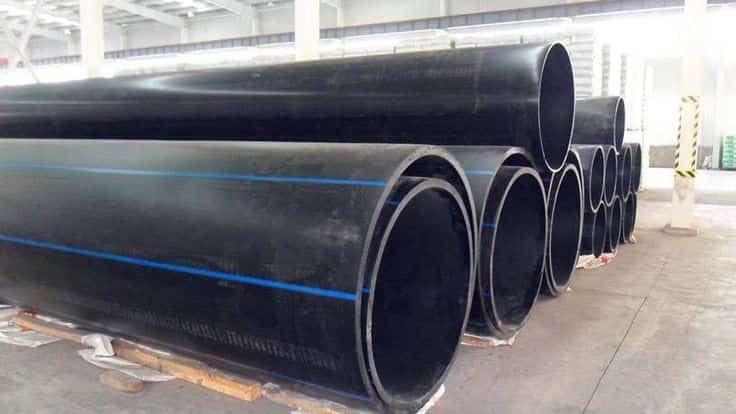
HDPE (High-Density Polyethylene) pipes are flexible plastic pipes designed to handle pressure, heat, and outdoor conditions. They are widely used in modern drip irrigation systems.
What Are PVC Pipes?
PVC (Polyvinyl Chloride) pipes are rigid plastic pipes commonly used in plumbing and older irrigation systems. They are cheaper upfront but less flexible.
HDPE vs PVC Pipes for Drip Irrigation (Comparison)
| Feature | HDPE Pipes | PVC Pipes |
|---|---|---|
| Flexibility | Highly flexible | Rigid |
| Heat resistance | Excellent | Poor (softens/cracks) |
| Pressure handling | High | Moderate |
| Durability | Very long-lasting | Prone to cracking |
| Underground use | Ideal | Risky |
| Repairs | Easy & fast | Difficult |
Why HDPE Pipes Are Better for Drip Irrigation
1. HDPE Pipes Do Not Crack Easily
Drip irrigation systems expand and contract due to heat and pressure changes. HDPE pipes absorb this movement without cracking, unlike PVC pipes.
2. Better Performance Under Sun & Heat
Most farms are exposed to direct sunlight. HDPE pipes resist UV damage and heat stress, while PVC becomes brittle over time.
3. Perfect for Low-Pressure Drip Systems
HDPE pipes maintain steady water flow at low pressure — ideal for drip irrigation where consistency matters.
4. Easy Installation & Expansion
HDPE pipes work seamlessly with compression fittings, making installation fast and future expansion simple.
5. Long-Term Cost Savings
Although HDPE pipes may cost slightly more upfront, they last longer, require fewer repairs, and reduce system failures — saving money in the long run.
When PVC Pipes May Be Used
PVC pipes can still be used in:
- Short-term irrigation projects
- Indoor or shaded installations
- Very low-budget setups
However, for serious drip irrigation, HDPE remains the better option.
What Professional Irrigation Installers Recommend
Most irrigation professionals recommend HDPE pipes for drip irrigation systems because they:
- Handle pressure fluctuations
- Last longer in the field
- Reduce maintenance costs
- Support future farm expansion
Why Bestfix Irrigation Recommends HDPE Pipes
At Bestfix Irrigation, we supply:
- Quality HDPE pipes
- Genuine HDPE fittings (tees, elbows, couplers, end caps)
- Dripline-compatible connectors
We also guide farmers on correct pipe sizing for maximum efficiency.
Final Verdict: HDPE or PVC?
If you are installing a drip irrigation system in 2026, HDPE pipes are the smarter, safer, and more profitable choice.
PVC may look cheaper today — but HDPE performs better tomorrow.
👉 Need HDPE pipes and fittings for your drip irrigation system? Contact Bestfix Irrigation for expert advice and affordable pricing.
